
Dubai has more interior design firms per square kilometre than any city in the Gulf. The Google search returns thousands. Instagram surfaces hundreds more. The difficulty for a private client — someone commissioning a villa, a penthouse, or a family office for the first time — is not finding a designer. It is knowing which questions to ask before signing the fee proposal.
We are writing this from the inside. We are one of those firms. We have a point of view, and it is not neutral. But the six questions below are structural, not promotional — they apply regardless of which studio you choose.
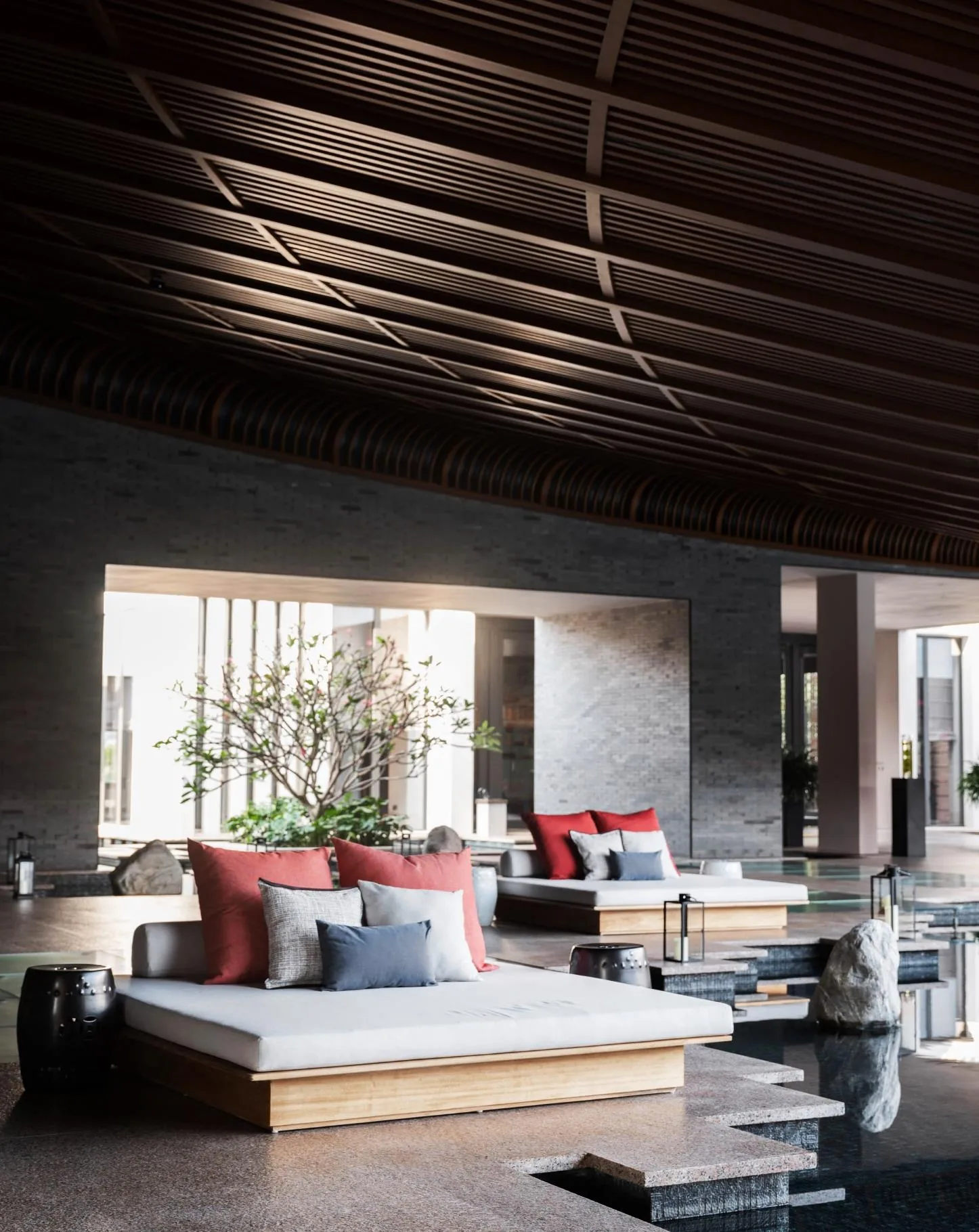
The first question: do they design and deliver, or do they design and hand off? Many Dubai studios produce beautiful drawings and then pass the project to a fit-out contractor for execution. The contractor interprets the drawings. The gap between the rendering and the room is filled by someone who was not in the concept meeting. If the studio designs and delivers — holding the budget, the programme, and the on-site quality through to handover — the room has a better chance of matching the intent.
The second question: who will actually work on your project? In larger firms, the principal you meet in the pitch is not the designer who draws your room. Ask who the project designer is. Ask to meet them. Ask how many projects they are running simultaneously. A designer carrying eight projects cannot give yours the attention it requires.
The third question: what is the margin discipline? Some firms mark up supplier invoices by twenty to forty per cent without disclosing the margin. Others charge a transparent design fee and pass supplier costs through at cost. Both models work, but you should know which one you are signing. Ask directly: do you mark up procurement, and if so, by how much?
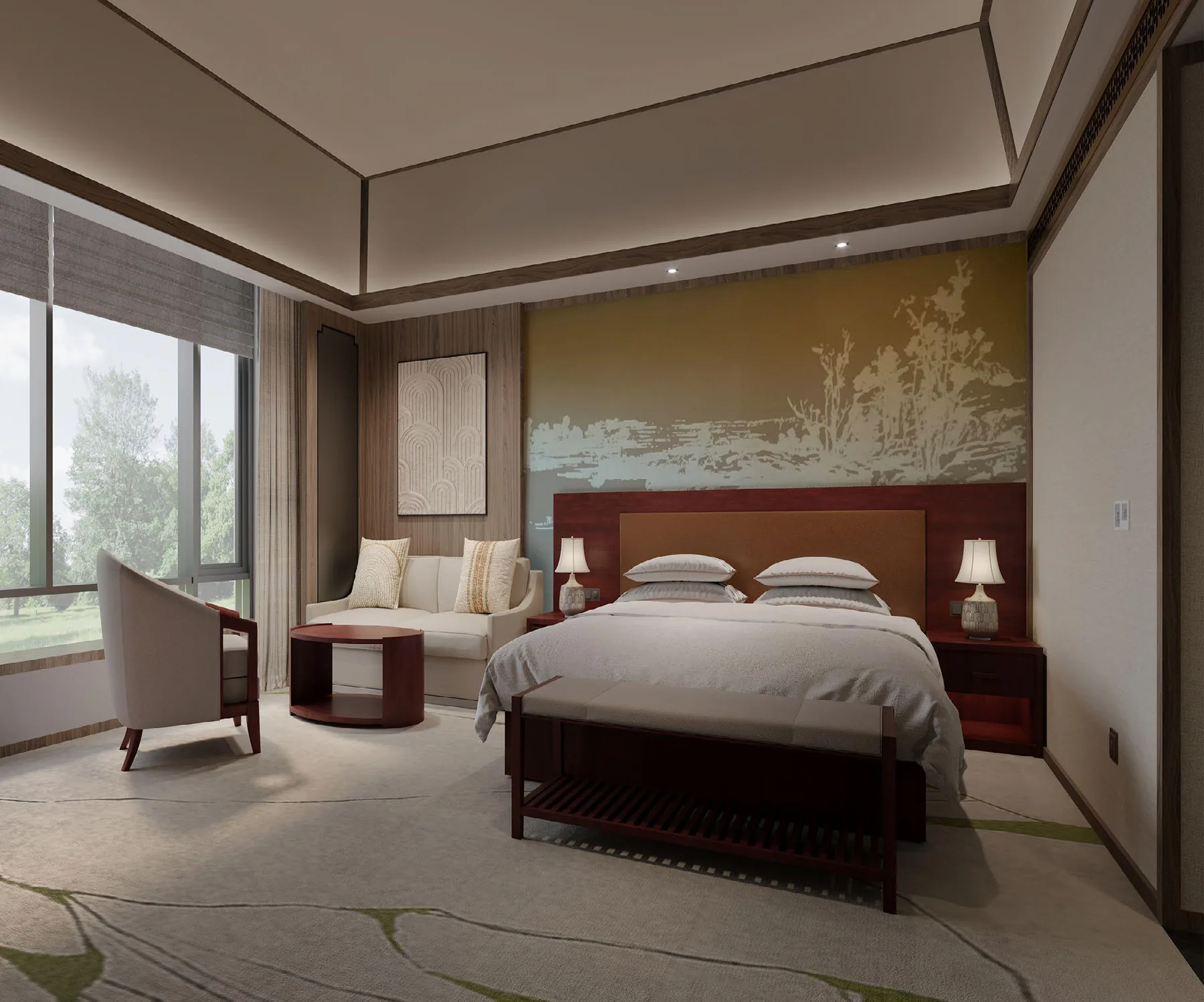
The fourth question: what happens after handover? A twelve-month aftercare programme — care manual, supplier contacts, warranty management, scheduled revisits — is the mark of a studio that stands behind its work. If the proposal ends at handover, the studio's incentive is to finish fast, not to finish well.
The fifth question: can I see a finished project in person? Renderings lie. Photographs flatter. A finished room — visited in person, walked through, touched — tells you whether the joinery holds up at close range, whether the lighting feels right at different times of day, and whether the materials have been specified to last. Any studio worth engaging will arrange a site visit to a completed project.

The sixth question: what is the process, and how long will it take? A credible studio will outline a clear process — listening, site assessment, concept, design development, tender, on-site delivery, handover and aftercare — with a realistic timeline attached. If the answer is vague, the programme will drift.
These six questions will not guarantee a successful project. But they will surface the structural differences between a fit-out contractor who calls themselves a designer and a design practice that holds the full brief from concept to aftercare. The room you live in for the next decade deserves that distinction.