
Smart home design in Dubai has a visibility problem — the wrong kind. Walk into most newly completed villas and you will find keypads on every wall, ceiling speakers that break the plaster line, and a control app that no one in the household can navigate without calling the integrator. The technology is present. The design is absent.
Our approach is the opposite. Home automation should be invisible. The best compliment a smart home can receive is that no one notices it. Lights dim when the sun sets. Curtains open when the alarm sounds. The air conditioning adjusts before the room feels warm. The household lives its day without pressing a button.
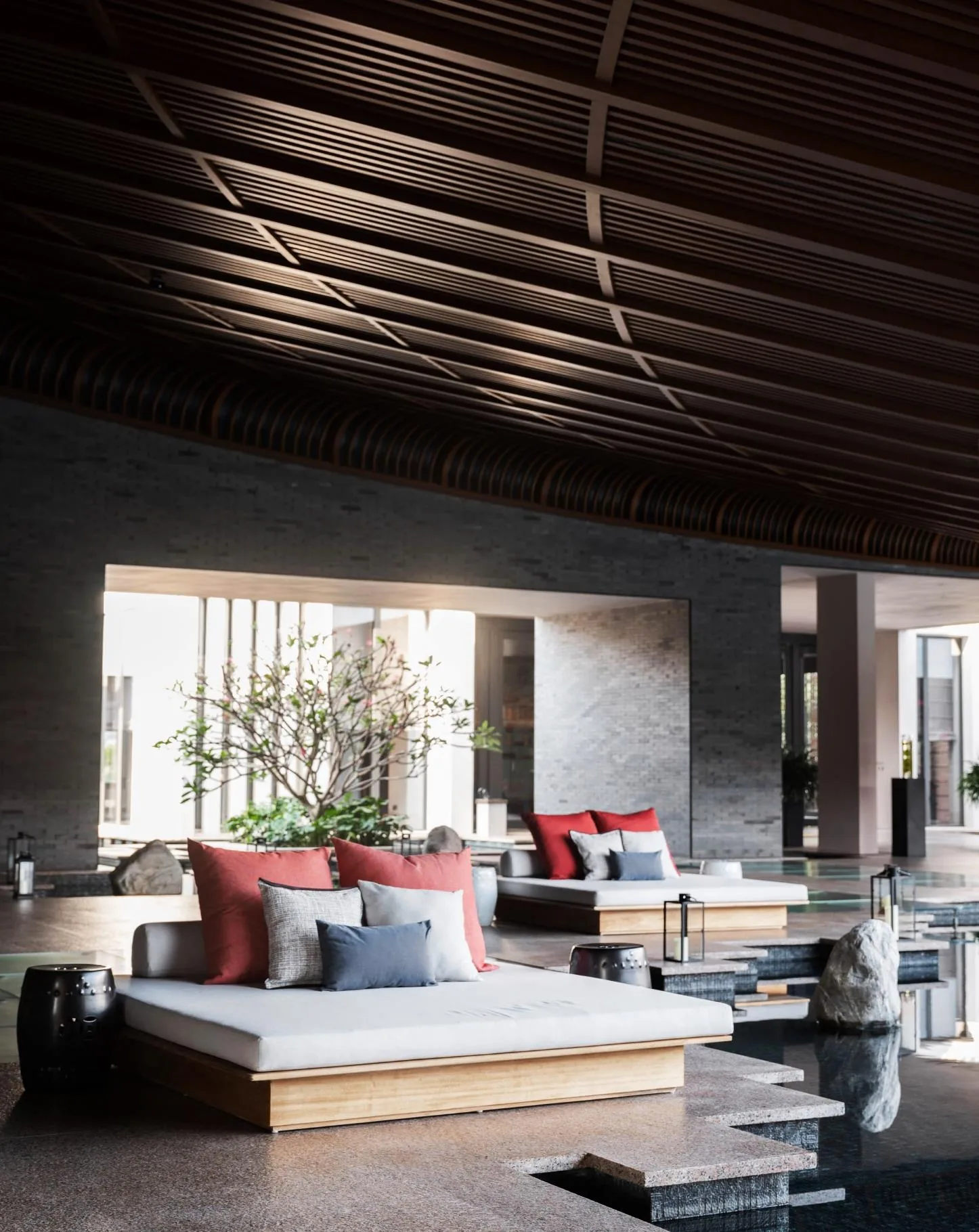
We work with three platforms: KNX, Crestron, and Lutron. Each serves a different brief. KNX is an open standard — any manufacturer can produce compatible devices, which means the system is not locked to a single vendor. Crestron is a closed ecosystem with deeper integration for audio-visual and home cinema. Lutron is a specialist in lighting and shading control, with the most reliable dimming curves in the market.
The choice of platform is made early — during concept, not during fit-out. This matters because the smart home touches every trade. Lighting positions, switch plate locations, speaker placements, cable routes, server rack location, and shading motor power supplies are all resolved in the design phase. If the automation consultant arrives after the drawings are issued for tender, the integration is a retrofit, and retrofits are always visible.
We design four standard scenes per room: arrival, daytime, evening, and night. Each scene controls lighting levels, colour temperature, curtain positions, and climate settings. The household can adjust, but the defaults are calibrated so that no adjustment is needed on most days.
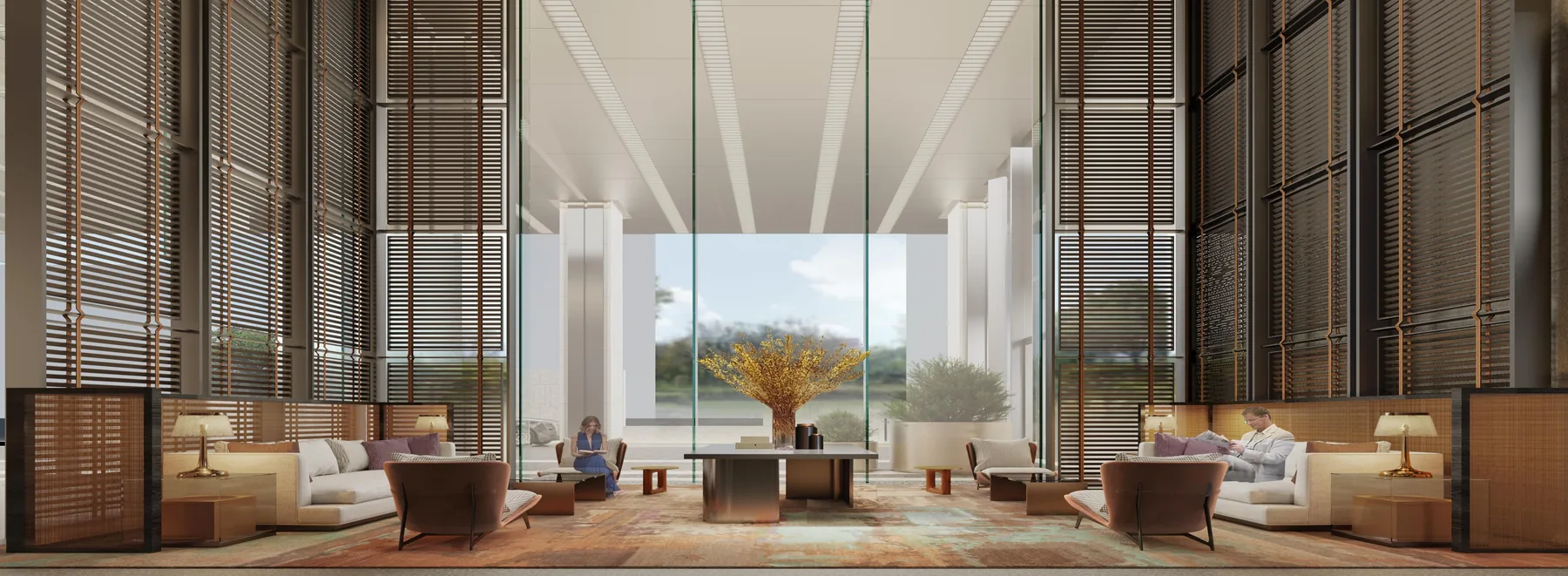
Audio follows the same principle. Multi-room audio should be heard, not seen. In-ceiling speakers are positioned to avoid the plaster lines that define the room's geometry. Where a visible speaker would compromise the ceiling, we use architectural speakers that mount flush and are plastered over. The sound quality is marginally lower. The room quality is significantly higher.
Security, access control, and CCTV are integrated into the same system. The front door camera feeds to the kitchen display. The gate intercom rings the household's phones. The alarm system arms itself at midnight and disarms when the first family member opens the kitchen door. These are not features we sell. They are behaviours we programme.
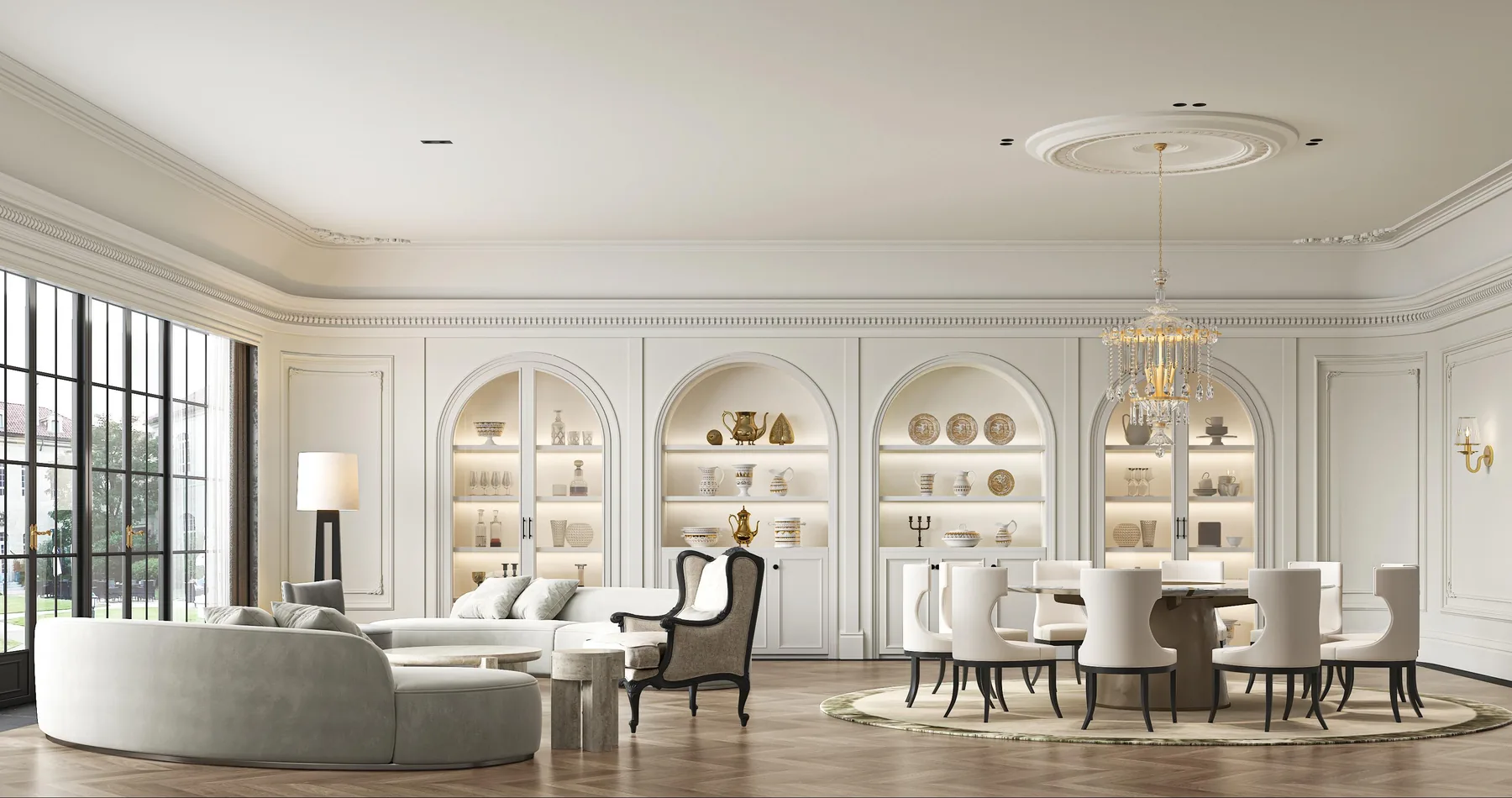
The long-term serviceability of the system is the design decision that matters most. Every cable is labelled. Every rack is documented. Every scene is stored in a configuration file that a future technician can read. When the integrator we appointed in 2026 is no longer in business in 2036, the next technician can walk into the server room and understand the system in thirty minutes. This is not a technical achievement. It is a documentation discipline, and it is the difference between a smart home that ages well and one that becomes a liability.