
The majlis is the room that precedes the designer. Its proportions, its circulation, its orientation — these are determined by the family's culture, their faith, their hospitality rhythm, and the way they receive the world. The designer's role is to listen for these decisions, not to make them.
Modern majlis design in the UAE sits at the intersection of two pressures. The first is the family's desire for a room that reflects their contemporary life — clean lines, considered light, materials that read as current. The second is the room's obligation to a hospitality tradition that is centuries old — generous seating, a clear entry sequence, orientation toward Makkah, and a spatial generosity that says to the guest: you are welcome, and you may stay.
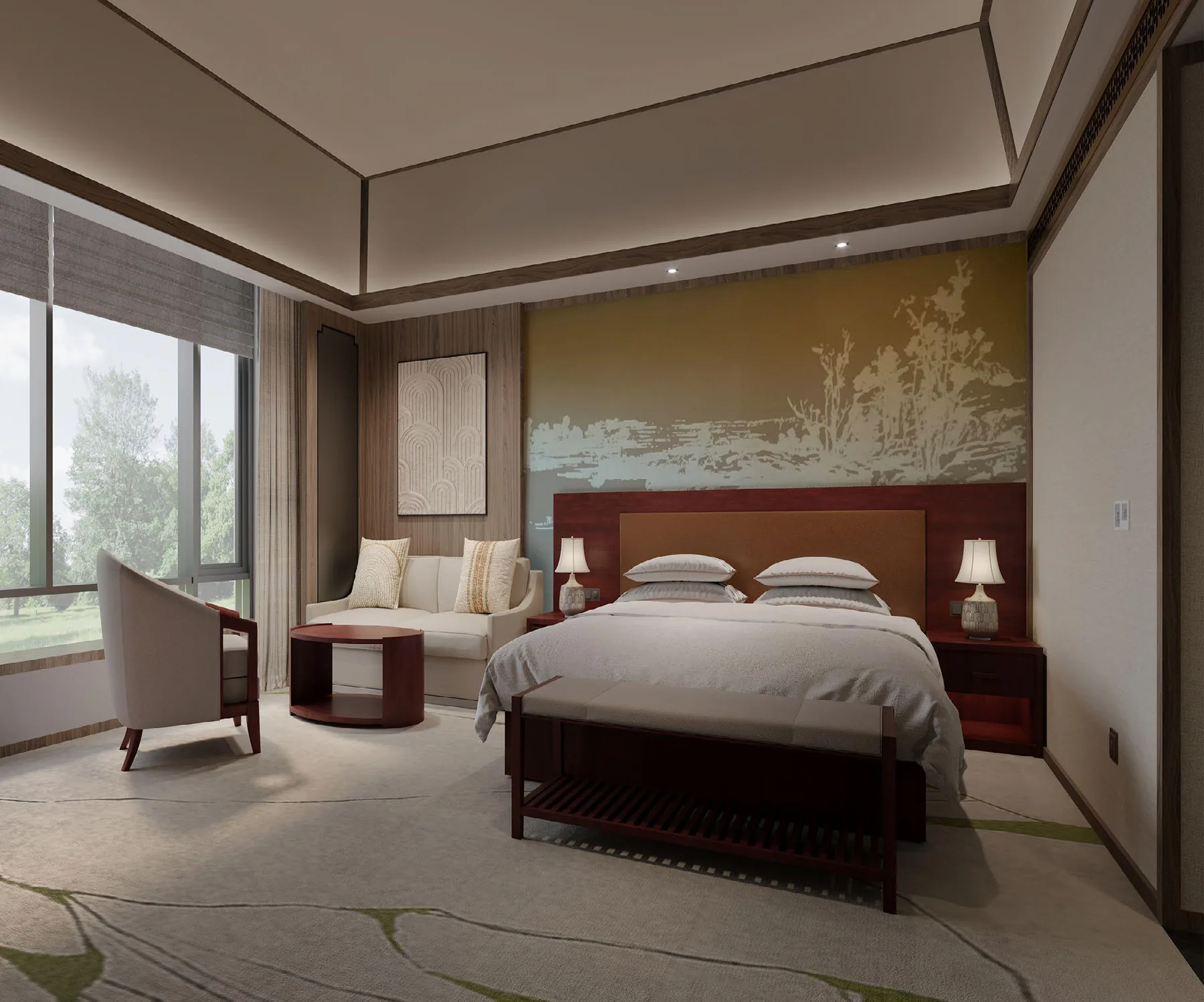
The circulation is the first design decision. In many Emirati homes, the men's majlis and the women's majlis are entered separately. The entry sequence — from the street to the reception hall to the appropriate majlis — must be resolved in the floor plan before the interior is drawn. This is not a partition decision. It is a planning decision, and it governs the position of the front door, the staircase, the guest bathroom, and the service corridor.
Qibla orientation is the second decision. The prayer niche — whether it is a formal mihrab or a subtle recess in the wall — must face Makkah. This is a compass bearing, not an aesthetic preference, and it determines the geometry of the room. The designer who treats it as an afterthought — a decorative niche added after the furniture plan is resolved — has misunderstood the brief.
The seasonal rhythm is the third decision. The majlis serves Ramadan differently from the rest of the year. Iftar gatherings may fill the room with thirty people. Eid celebrations bring extended family and guests. National Day carries its own protocol. The room must accommodate these events without appearing empty on a quiet Tuesday evening. This is a furniture and proportion problem, not a decoration problem.
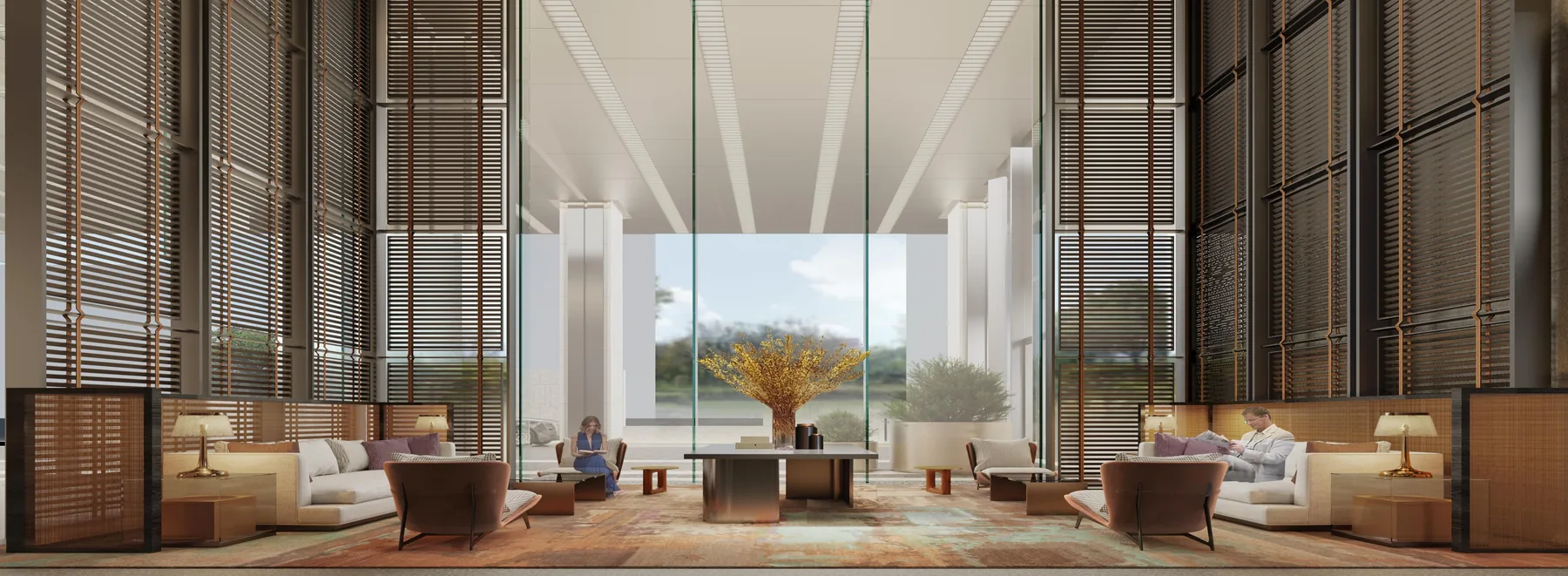
Material and craft come last. Gypsum carving, timber panelling, brass inlay, fabric upholstery — these are the surfaces of the room, and they must be calibrated to the family's register. A traditional majlis asks for one palette. A contemporary majlis asks for another. Both must be executed at a level of craft that honours the room's purpose.
We approach majlis design with the humility it demands. We are not an Emirati studio. We do not carry the cultural memory of the room in our own experience. What we bring is a hospitality discipline — twenty-five years of designing rooms for ceremony, for gathering, for the particular performance of welcome — and the willingness to listen before we draw.
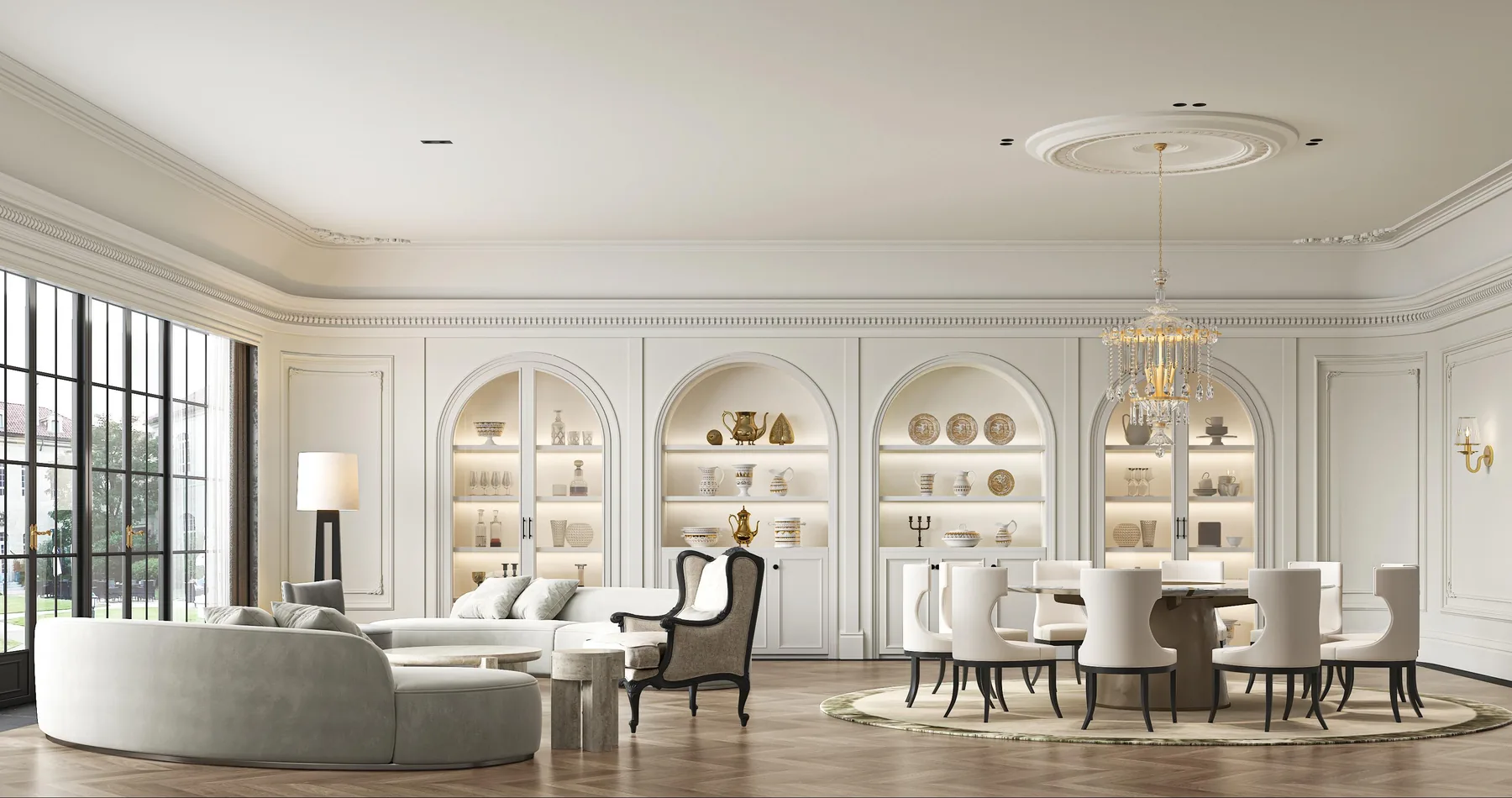
The families who commission a majlis from us are typically asking for something specific: a room that holds the tradition without illustrating it. Clean lines, not ornate surfaces. Considered light, not chandeliers for the sake of them. A room that their grandmother would recognise as a majlis, even if the materials are new.
That brief — traditional in spirit, contemporary in expression — is the one we are best placed to serve. It requires the same material literacy, the same proportion discipline, and the same restraint that we bring to every room we design. The majlis is not a different kind of project. It is the same project, held to a deeper standard.