
The question arrives in the first conversation, sometimes before the pleasantries are finished: what will this cost? It is a reasonable question. It deserves a direct answer. The difficulty is that villa renovation costs in Dubai span a range so wide — from AED 500,000 for a cosmetic refresh to AED 5 million and above for a structural overhaul of an Emirates Hills mansion — that any single number is misleading. What follows is the studio's own framework for thinking about cost, built from the projects we have actually delivered.
We work in four tiers. The first is the cosmetic refresh — AED 500,000 to AED 1.2 million. Paint, flooring, lighting, some bathroom finishes, new furniture. The bones of the villa are sound; the surfaces are tired. This tier suits villas in Arabian Ranches, Springs, and the more compact Dubai Hills townhouses. The programme runs six to nine months.
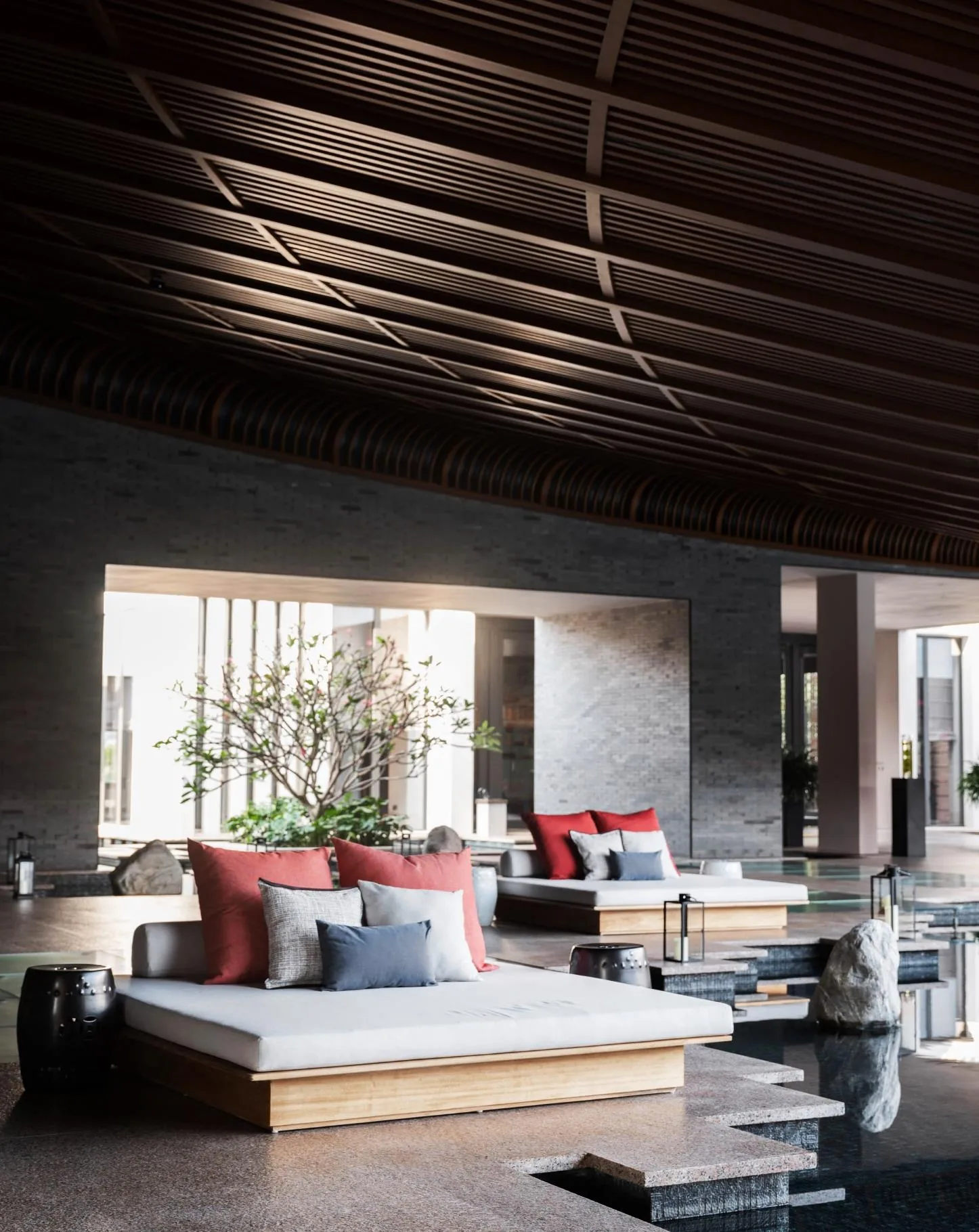
The second tier is the considered renovation — AED 1.2 million to AED 2.5 million. Here the kitchen is replaced, bathrooms are re-specified, joinery is custom, and the smart home layer is designed in. Most Dubai Hills Sidra and Maple villas fall here when the owner wants to move beyond the developer finish. The programme runs nine to fourteen months.
The third tier is the full renovation — AED 2.5 million to AED 5 million. Structural walls may move. Wet areas are relocated. The landscape and pool are part of the scope. Palm Jumeirah frond villas and the larger Dubai Hills plots sit here. The Emaar or Nakheel NOC, the DM permit, and the contractor procurement are all managed by the studio. The programme runs twelve to eighteen months.
The fourth tier is the estate renovation — AED 5 million and above. Emirates Hills mansions, Jumeirah Bay Island, Al Barari estates. Multiple floors, staff quarters, basements, significant landscape, and a commissioning cycle that reflects the complexity. These projects run eighteen months to two years, and the joinery alone — produced in our Shanghai atelier — can account for a quarter of the budget.
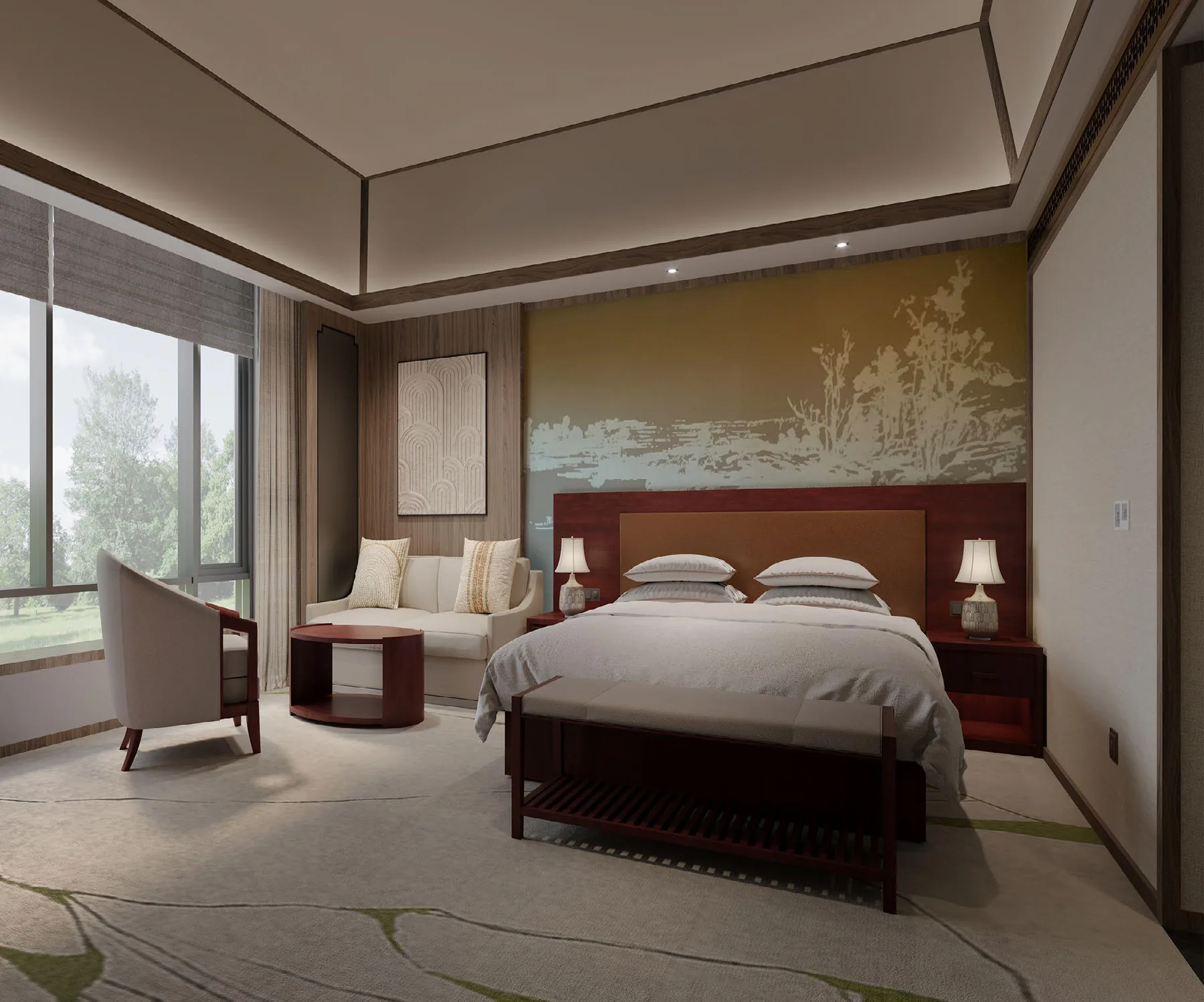
Community matters more than area in determining cost. A three-hundred-square-metre villa in Palm Jumeirah will cost more to renovate than the same area in Dubai Hills, because the Palm's coastal exposure demands salt-resistant finishes, UV-stable fabrics, and stone specified for thermal cycling. Emirates Hills mansions carry longer commissioning cycles, higher material specifications, and larger site management teams. Arabian Ranches renovations are more contained — the villas are smaller, the structural changes are fewer, and the finish expectations are calibrated to the community.
Scope is the second driver. A cosmetic refresh that leaves the kitchen and bathrooms untouched is a different project from a full renovation that strips the villa to shell and rebuilds. We are transparent about where the money goes: approximately forty per cent is construction and trades, thirty per cent is joinery and millwork, fifteen per cent is FF&E and decorative finishes, and fifteen per cent is design fees, approvals, and project management.
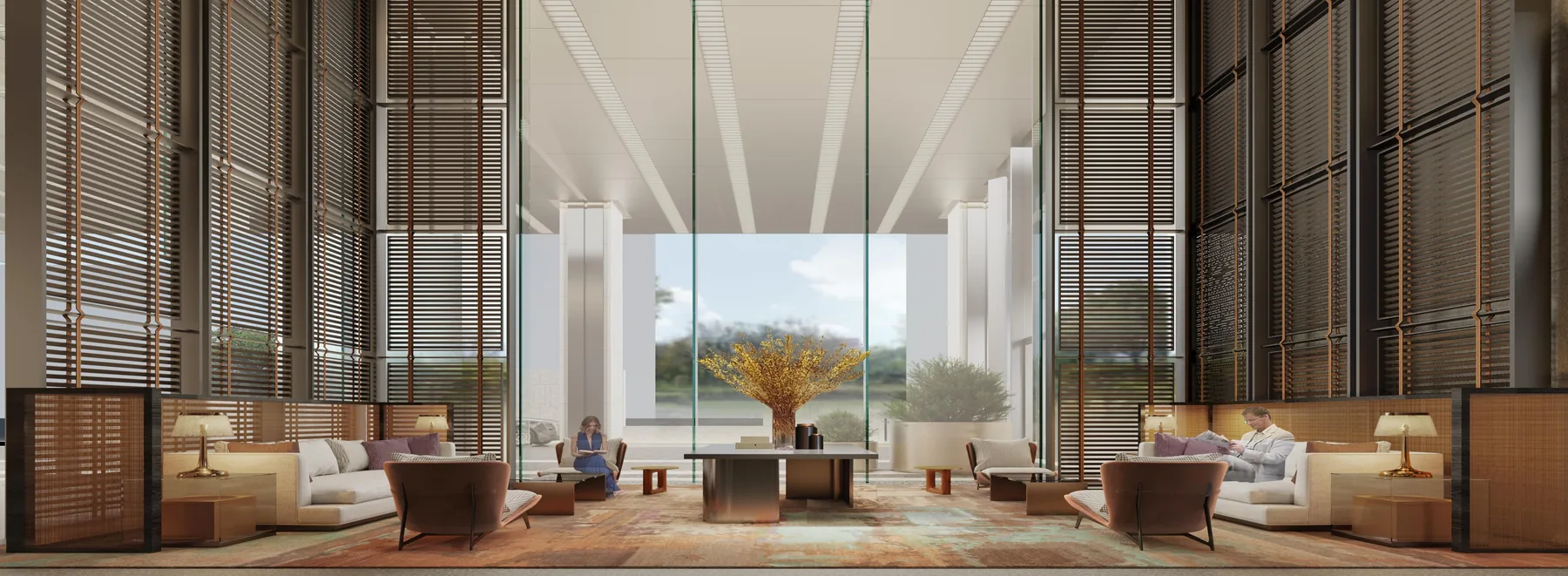
The studio's margin discipline is part of the cost conversation. We do not mark up supplier invoices by undisclosed percentages. Our fee is our fee — stated in the proposal, invoiced monthly, and reconciled at completion. The client sees every supplier invoice. This is not generosity; it is the only way to maintain trust across an eighteen-month programme.
Aftercare is written into the budget, not added as an afterthought. Our twelve-month aftercare programme — care manual, supplier contacts, warranty documents, visits at three months and twelve months — is costed into the original proposal. It is the last line item, and it is non-negotiable.
If you are reading this with a specific villa in mind, the next step is a private conversation at our Dubai office or on site. We will walk the property, read the building, and return with a written scope and fee proposal within two weeks. The conversation itself costs nothing, and it replaces guesswork with a number you can plan against.