
The terms interior decorator and interior designer are used interchangeably in Dubai, and the confusion is not harmless. It leads clients to hire a decorator for a job that needs a designer, discover the gap mid-project, and pay twice. The two roles overlap at the edges, but at the centre they are different disciplines with different scopes, different qualifications, and different fee structures. Knowing which one your project needs — before you make the call — is the difference between a smooth commission and a stalled one.
The decorator's scope is the surface. Colour, finish, furniture, fabric, lighting fixtures chosen rather than designed, and the styling that pulls a room together — cushions, art placement, the final reading. A good interior decorator in Dubai can transform a room without moving a wall or issuing a structural drawing, and for a great many briefs that is precisely the right and sufficient service. Decoration is a real craft, and the best decorators have an eye that no software replaces.
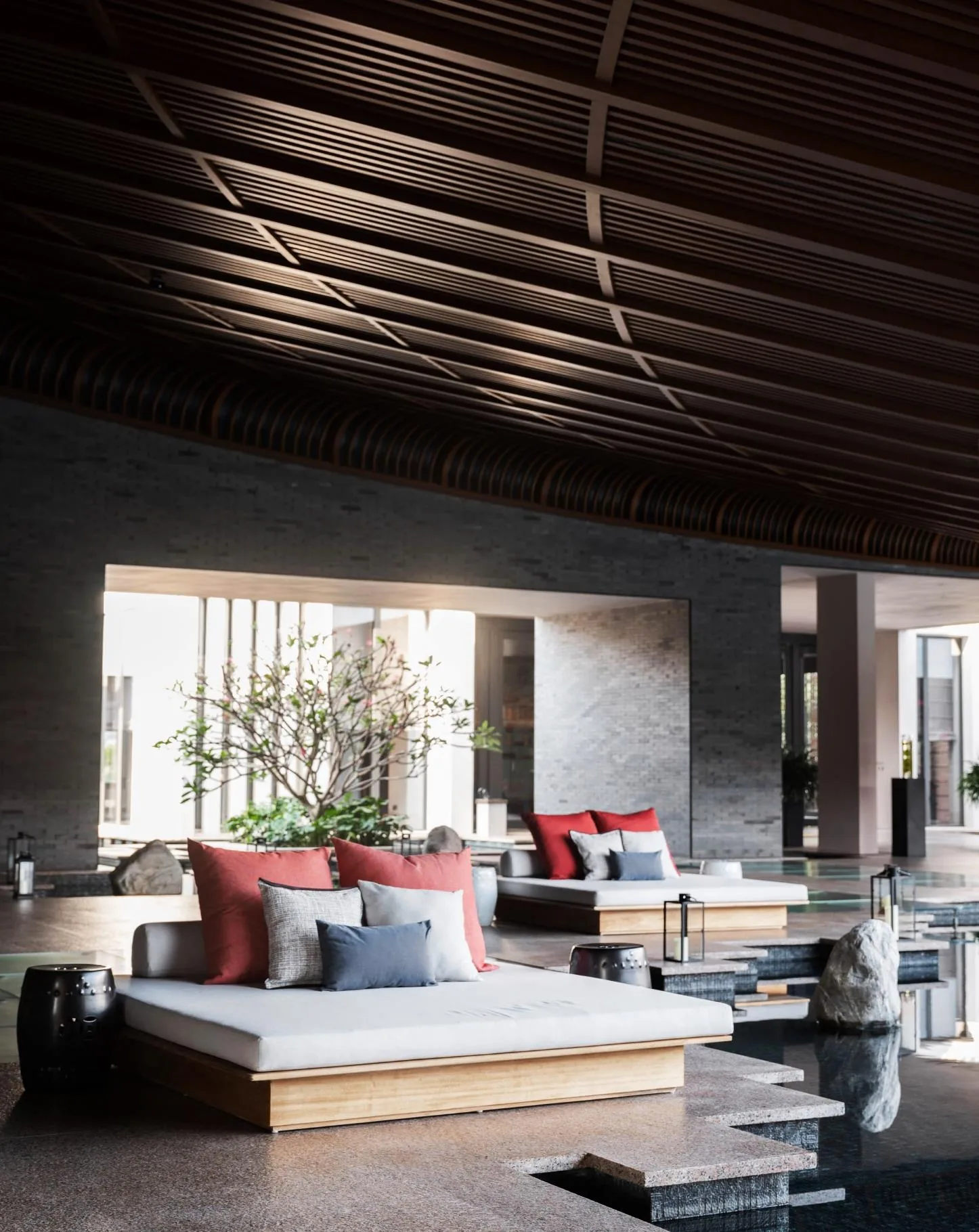
The designer's scope is the room itself. Space planning — how the rooms relate, where the walls sit, how light and movement run through the plan. Structural change — removing or adding walls, relocating wet areas, reworking levels. Joinery — wardrobes, kitchens and vanities drawn as shop drawings and built to them. Layered lighting designed alongside the architecture rather than selected at the end. These are the decisions that decide whether the decoration has a resolved room to sit on, or a merely adequate one.
There is a Dubai-specific question worth addressing: does registration matter? Dubai does not gate the word designer the way some markets gate architect, and the DDA-registered or authority-approved status that matters most is practical — whether the firm can submit drawings for an Emaar NOC, a Dubai Municipality permit, or a Trakhees approval, and whether its drawings will be accepted. A decorator working on surface alone rarely needs that standing. A designer changing anything structural does, and a firm that cannot lodge the paperwork will subcontract it, with the usual loss of control.
The fee structures differ accordingly, and the difference is informative in itself. Decorators commonly charge a flat styling fee, a day rate, or a margin on the furniture and fittings they procure — the fee tracks the surface work and the purchasing. Designers more often charge a design fee as a percentage of construction cost or a fixed fee tied to scope, because the work is the resolution of the room, not the sourcing of its contents. If a quote is structured purely around procurement margin, you are being priced as a decoration brief, whatever the word on the proposal says.
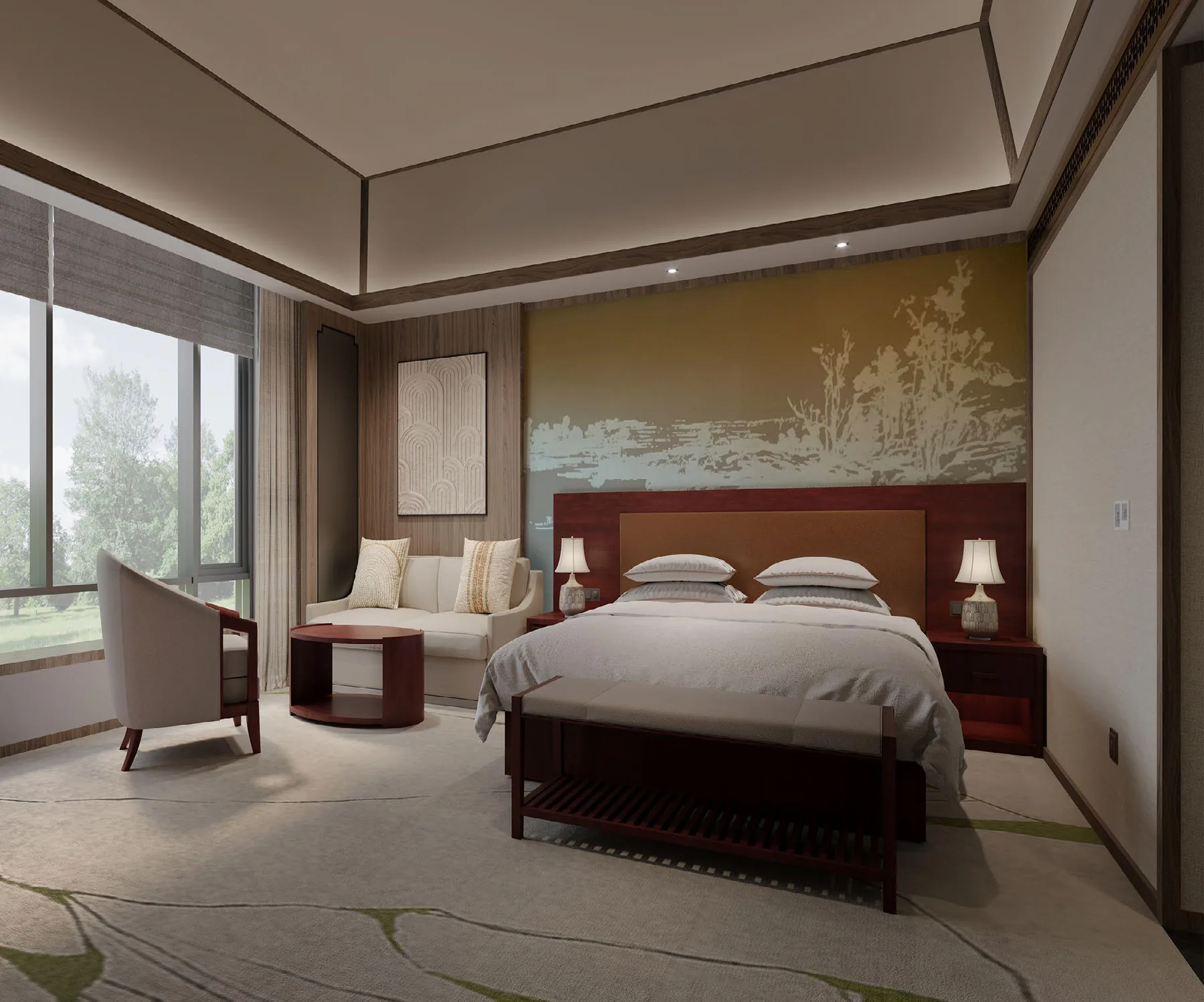
So when do you call which? Call a decorator when the room works and only the surface is tired: a cosmetic refresh, an FF&E reselection, styling a property for resale or photography. Call a designer when anything moves, is built, or is re-planned: a wall, a wet area, a kitchen workflow, a wardrobe run, a lighting scheme. And call one firm that holds both when the project is a renovation or a new home — because the decoration is only ever as good as the room beneath it, and splitting the two across two firms puts the seam exactly where quality tends to fail.
Montaigne Design sits as both, under one roof, and that is the honest place to end. We are a design studio — we resolve the plan, the light, the structure and the joinery — and we carry the decorative layer through to the brass, the ash and oak surfaces, the upholstery and the final styling. One studio, one contract, one lead designer from concept to a twelve-month aftercare visit. For the right brief we will decorate alone; for most of the briefs we are asked about, the value is in holding the two together, so the styling lands on a room that was designed to receive it.