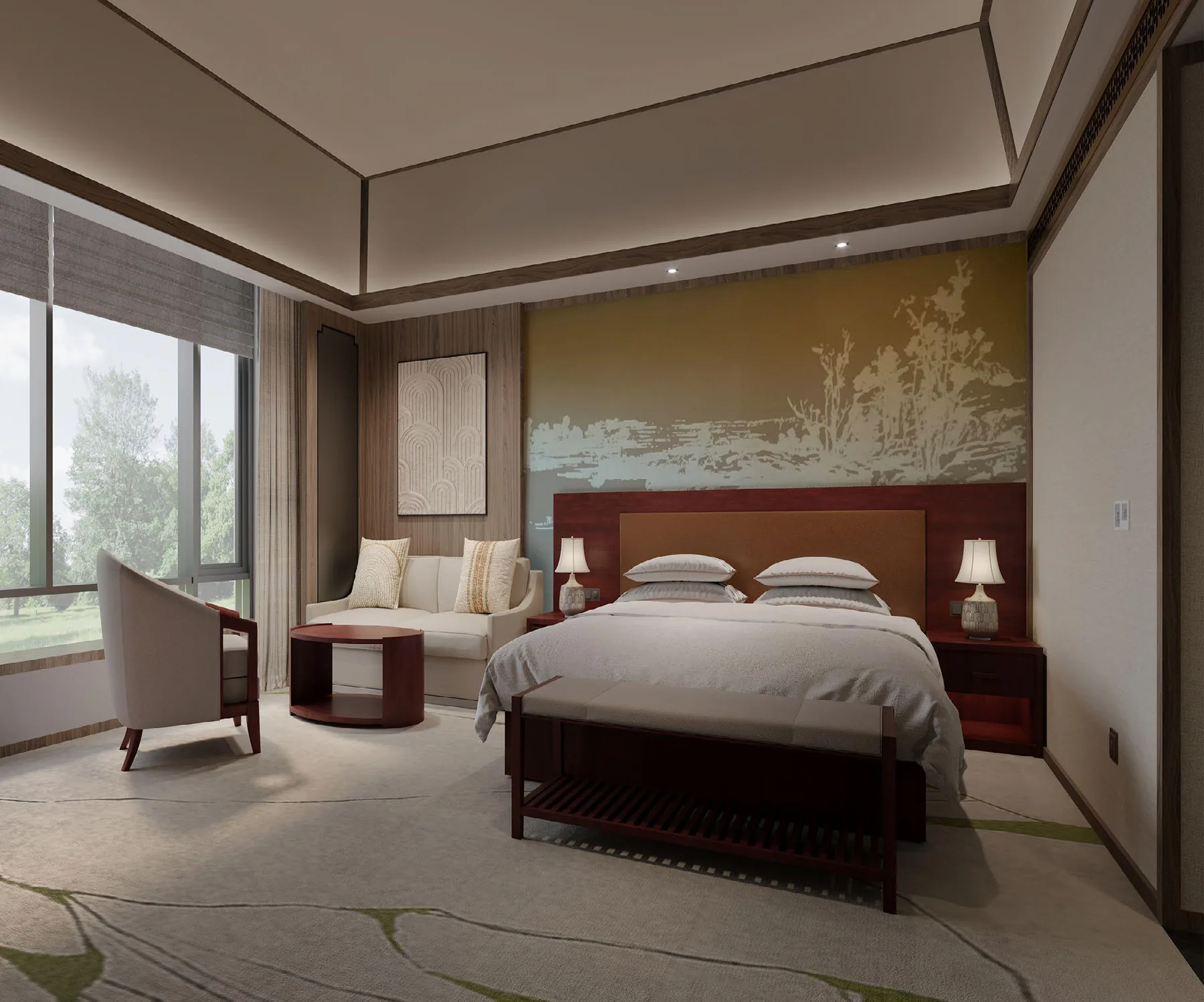
Every material carries a biography. Travertine remembers the sea. Oak remembers the forest canopy. Hand-forged iron remembers the anvil. The designer's role is not to impose a narrative onto these surfaces but to listen carefully for the story they already want to tell.
At Montaigne Design, we begin each project not with mood boards or Pinterest collections but with material samples. We lay them on a table in natural light. We touch them. We observe how they age across a single afternoon as the sun moves. This ritual is not performative — it is diagnostic.
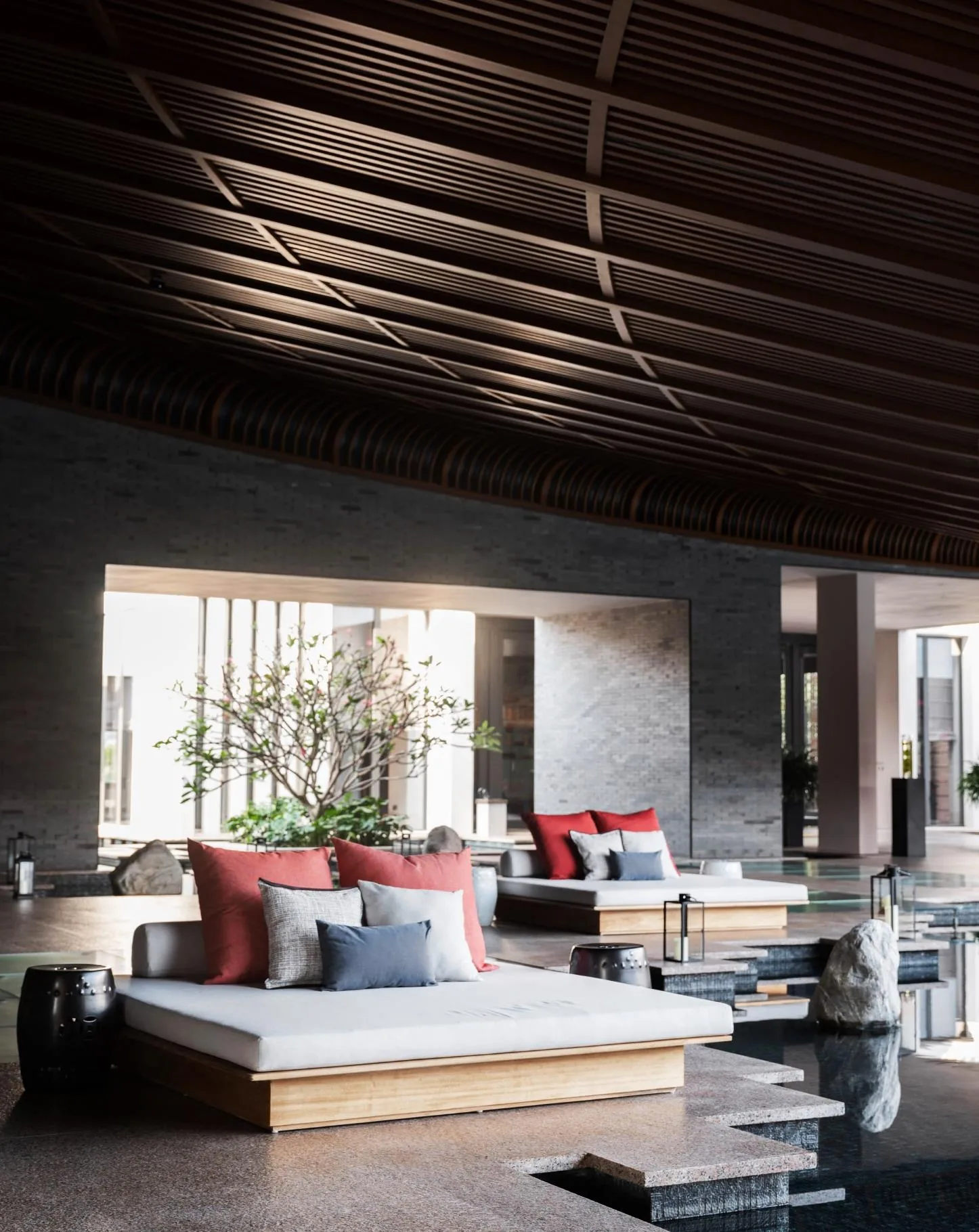
The conversation between materials is the invisible architecture of any room. A polished marble floor set against rough plaster walls creates a tension that the eye resolves as sophistication. Warm timber placed beside cold steel produces a comfort that neither material achieves alone. These dialogues are the true medium of interior design.
Our approach demands patience. We often reject the first specification and return to the quarry, the mill, or the forge. We seek the piece that carries the right imperfection — the vein in marble that draws the eye toward a window, the grain in oak that echoes the curve of a staircase. Perfection in our work is not the absence of irregularity but the curation of it.
Clients sometimes ask why we spend so much time on material selection when the layout and spatial planning seem more consequential. The answer is that materials outlast trends. A room's proportions may be altered by future owners. Its furniture will certainly change. But the stone on its floor, the plaster on its walls, the wood on its ceiling — these are the constants. They deserve the most considered attention we can give them.