
Villa renovation in Dubai — bare-shell handovers to twelve-month aftercare
Villa renovation in Dubai is the work the studio is most often asked for. From bare-shell Emaar handovers to full structural villa renovation in Dubai's established communities — Palm Jumeirah, Emirates Hills, Dubai Hills Estate, Al Barari, Nad Al Sheba — Montaigne Design holds the design and the build under one contract. The twelve-month aftercare is written into every villa renovation contract, not added as an upsell.
This is one of twelve services held in-house by Montaigne Design. We do not subcontract the parts of the room that matter most — drawings are produced by our designers, joinery by our workshop, lighting by our team, and procurement is held by us. The contractor builds. We design and supervise.
Engagements typically begin with a private conversation in Dubai or Shanghai. Our minimum project fee is AED 400,000, and we respond within one business day.
Established in Shanghai in 2011. In Dubai since 2024 — forty-three hotels and sixty-five projects of discipline, now brought to private clients in the Gulf.
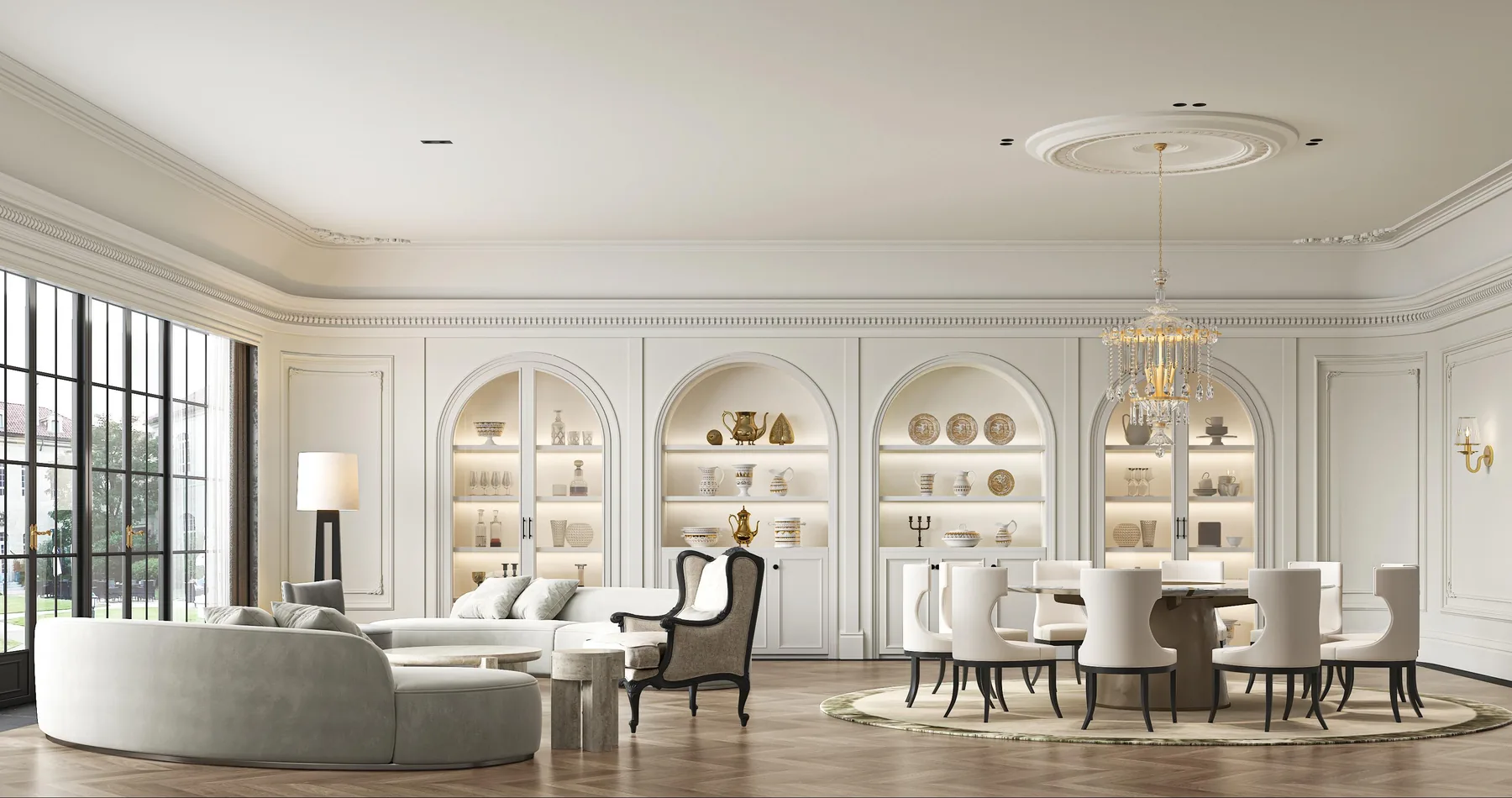
Villa renovation in Dubai's established communities
A villa renovation in Dubai looks different in every community, because the approvals, the plot sizes and the original build quality are not the same across the city. The studio takes on villa renovation across Palm Jumeirah, Emirates Hills, Dubai Hills Estate, Nad Al Sheba, Al Barari, District One at MBR City, Jumeirah Bay, Pearl Jumeirah, Al Wasl, Jumeirah, Umm Suqeim, Umm Al Sheif, Khawaneej and Dubai Creek Harbour — sea-facing Palm facades that have to survive salt and humidity, larger Emirates Hills and District One plots that ask for re-planning as much as refinishing, and Emaar bare-shell handovers that begin with a developer NOC.
Two delivered projects show the range. The Al Wasl Residence — an 8,000 m² plot with 2,400 m² built-up, designed for a three-generation Emirati family — and the Palm Beach House, a 12,000 m² plot with 3,000 m² built-up on Palm Jumeirah. Whether the property is a Palm signature villa, an Emirates Hills mansion or a Nad Al Sheba family home, the villa renovation is held to one standard: design first, approvals managed in-house, and a single contract for the whole of the work.
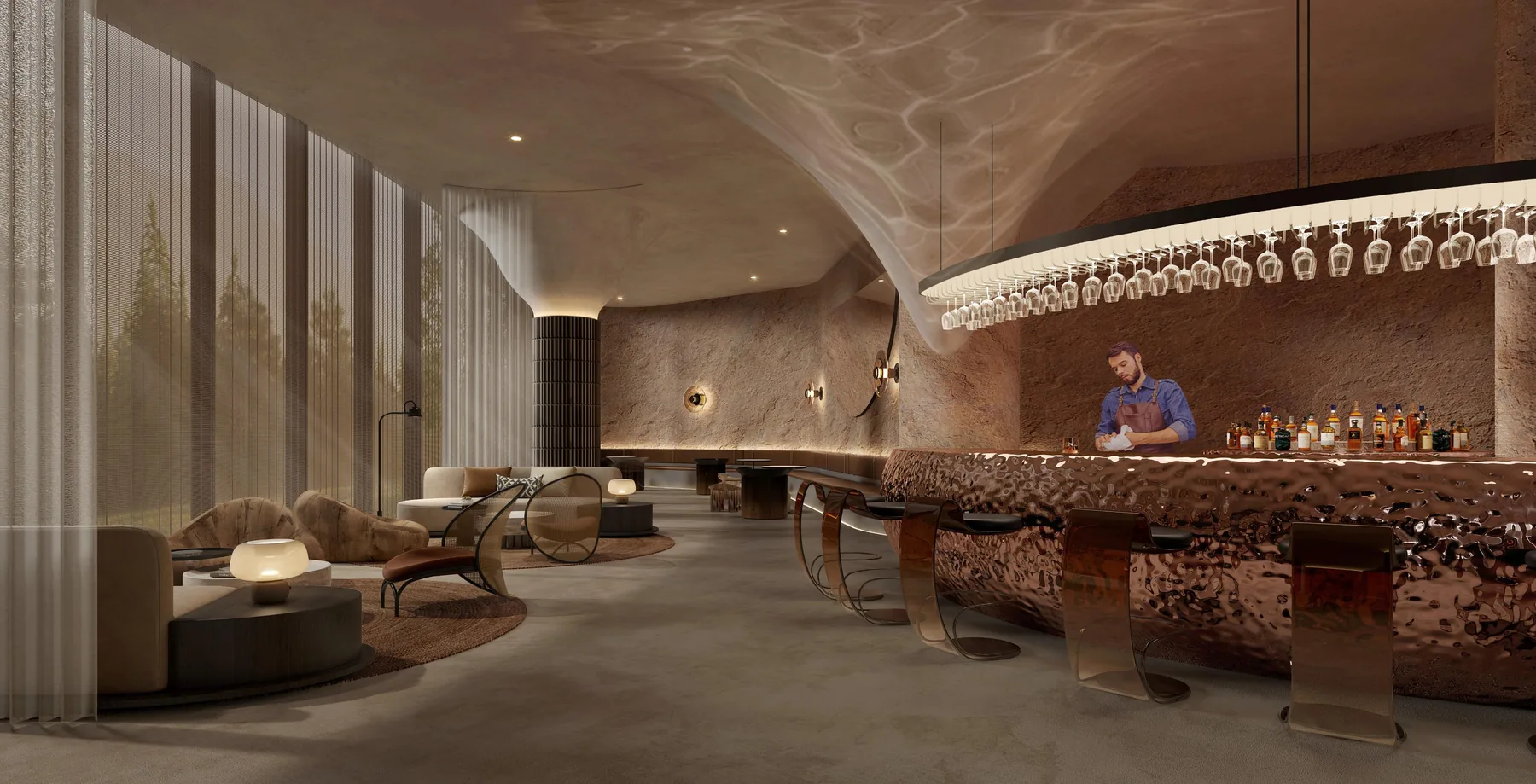
What a villa renovation in Dubai actually involves
What a villa renovation in Dubai actually involves is far more than surfaces. The studio runs a seven-stage process: an initial enquiry, a chemistry meeting to test the fit between client and studio, then a site visit where load-bearing walls, MEP routing and slab capacity are checked before anything is promised. From there the work moves to concept and a 3D walk-through, material and FF&E selection, procurement and scheduling, site works, and finally handover.
Each stage is sequenced before the first wall is touched. Structural changes, wet-area relocation, HVAC and electrical upgrades and smart-home cabling are resolved before any finish is specified, because a finish applied over an unresolved service is a finish that will be opened up again. The work runs to a designer's logic, with the studio's craft and precision held the same way at every stage: custom joinery from the in-house atelier, stone and timber specified for the Gulf climate, lighting designed alongside the room rather than added at the end.
Because one studio holds the design, the approvals and the build, a villa renovation in Dubai with us does not lose its intent in the gaps between trades. The drawing that wins the brief is the drawing that is built, carried by a single named lead designer from the chemistry call to the snag list — the same person who signs the concept signs the handover.
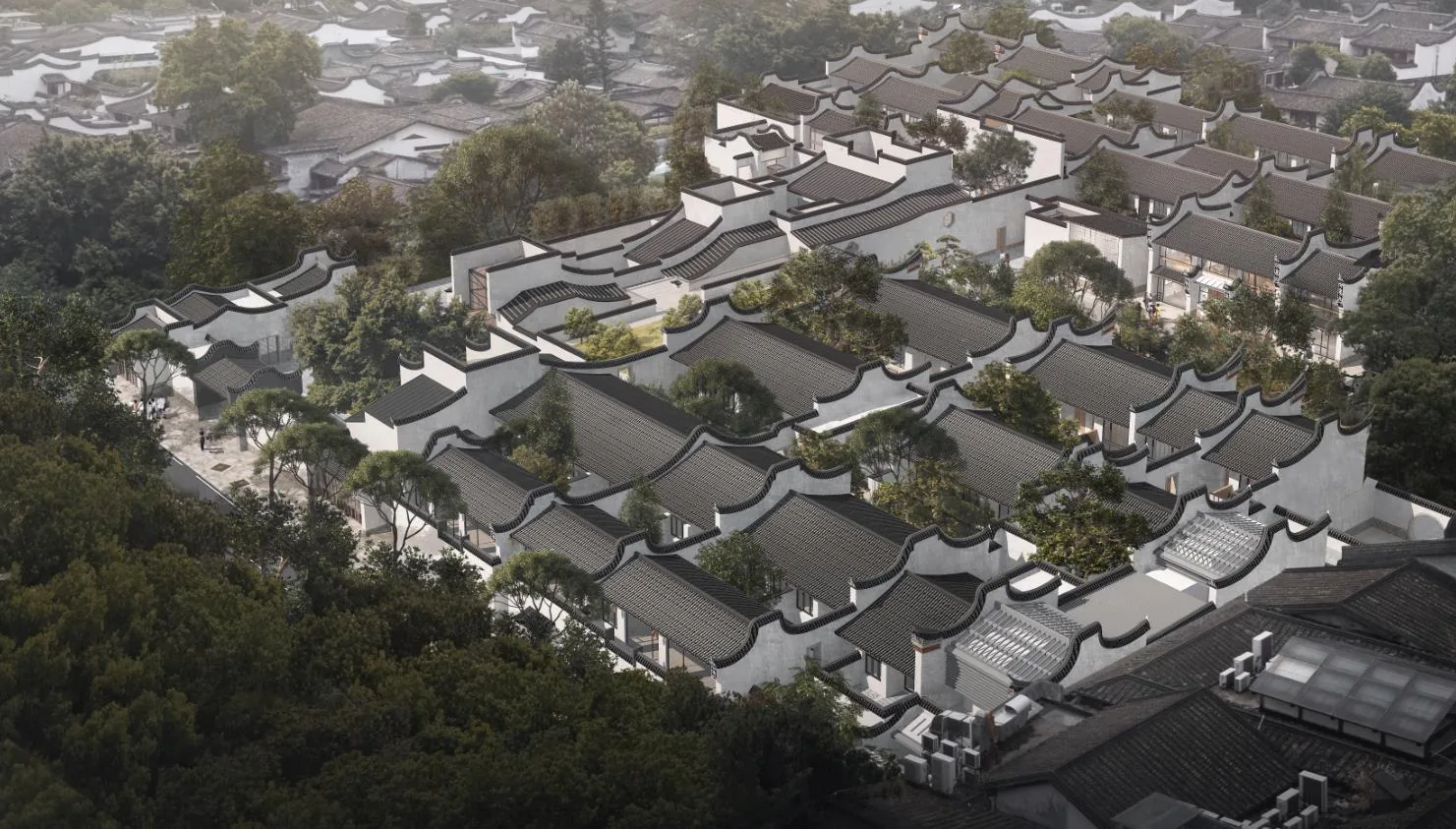
Villa renovation in Dubai — what it actually costs
What a villa renovation in Dubai costs is anchored to scope, not to floor area. The minimum project fee is AED 400,000, with no exceptions. Typical commissions sit in three bands: AED 1–3M for a single-residence refresh or partial renovation, AED 3–10M for a full villa renovation, and AED 10M and above for an estate-scale principal residence. Pricing is scoped per project after the site visit — the studio quotes a fixed design-and-build fee, not a percentage of spend.
The studio does not bill a percentage of construction cost on residential commissions, because that model creates a perverse incentive on a brief where the studio's job is to spend the client's money carefully. Two regulatory windows sit around the build: roughly one month for permits and clearances — Dubai Municipality, fire-fighting NOC, developer NOC — before site mobilisation, and roughly one month after site works for closure and authority sign-off.
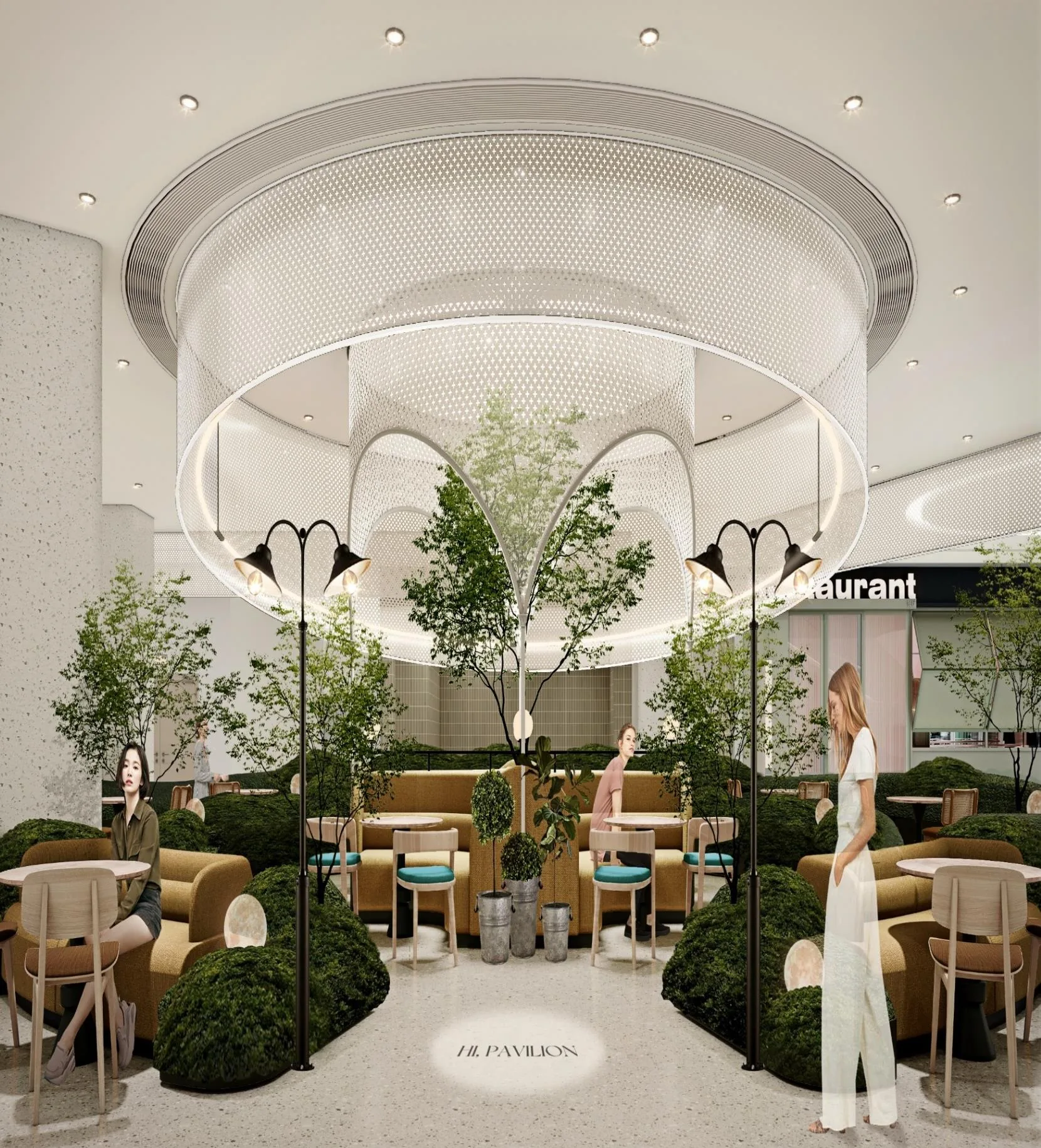
How long does a villa renovation in Dubai take?
Eighteen to twenty-two months is typical for a full villa renovation in Dubai. Eighteen months delivered the six-bedroom Al Wasl residence; twenty-two months delivered the twelve-thousand-square-metre Palm Jumeirah villa. The programme is set early, by the approvals and the structural scope, not by the finishes.
Inside that window: pre-construction permits run about one month; design phases three to four months; procurement and long-lead items — stone from Italy, FF&E from Italy, Spain and Turkey on eight-to-sixteen-week lead times — overlap with design rather than following it; and site works run ten to fourteen months. Handover, snagging and the contractual three-month and twelve-month aftercare visits sit beyond that. A villa renovation in Dubai that is rushed at the front — approvals skipped, structure left unresolved — is a renovation that overruns at the back.
Villa renovation in Dubai — the studio's process and aftercare
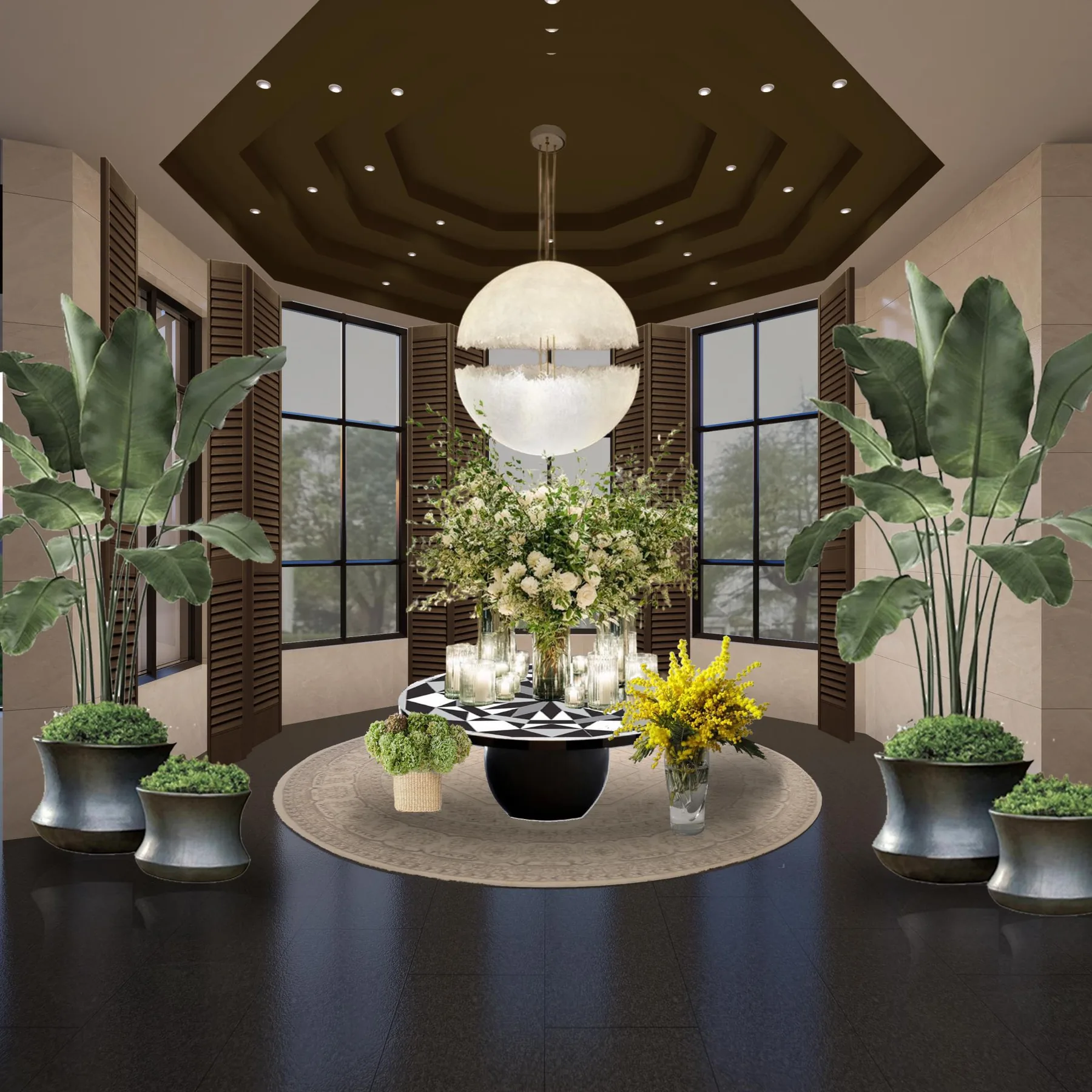
A villa renovation in Dubai with the studio is carried by a single named lead designer, from the chemistry call to the twelve-month follow-up — the same person signs the concept and the snag list. That continuity is the difference between a renovation that photographs well on day one and a home that still reads correctly after a Dubai summer and a year of living in it.
The joinery is made in-house: an atelier of more than ten craftsmen, so the most important parts of the room do not wait on a third-party schedule. After-sale is treated with the same quality and precision as the build — both the three-month and twelve-month aftercare visits are written into the contract. The three-month visit catches hairline movement, door swings and settling; the twelve-month visit is a full review of every room, with timber re-oiled, upholstered pieces re-tensioned and every warranty item closed.